Psychotherapy, Counselling & Coaching
Couples, Individual and Group Therapy
Because relationships are at the heart of being human.
The relationship we have with ourselves. The person we love. Our families and co-parents. The people we work, lead and build businesses with.
Relationships can be where we experience our deepest sense of love, connection and belonging — and where we can feel most hurt, misunderstood, rejected or alone.
Whether you are trying to explore who you are, rebuilding a relationship, navigating infidelity, addiction, fertility challenges, sex and intimacy, neurodivergence or a new diagnosis, LGBTQ+ relationship experiences, parenthood, separation or another significant life change, therapy offers a space to slow things down and understand what is happening beneath the surface.
About Us
I'm Rebecca Armstrong, an MSc-qualified Psychotherapist specialising in couples and relationship therapy. I work primarily online with couples and individual adults, helping people understand themselves, each other and the patterns that can develop between them.
I offer sessions online across the UK and beyond. I also offer in person sessions in the North East of England.
Relationships are at the heart of what I do
We are relational beings.
From our earliest relationships, we begin to learn about ourselves, other people and the world around us. We develop ideas about whether we are safe, whether our needs matter, how close we can allow people to become and what we might expect when relationships feel difficult.
Those experiences shape the ways we communicate, love, manage conflict, respond to rejection, experience intimacy and make sense of ourselves.
I help you navigate your key relationships whether that be with yourself, your partner(s) or key people in your life. Sometimes that means working with two (+) people together, understanding the patterns that have developed between them and finding new ways of connecting.
Sometimes it means working individually, exploring the relationship you have with yourself and how your experiences continue to influence your relationships with others.
My work is about becoming curious about what happens within us and between us — creating greater awareness, more choice and the possibility of healthier, more fulfilling relationships. I welcome LGBTQ+ clients and relationships in all their diversity, and aim to offer a space where sexuality, gender, identity and relationship structure can be explored without assumptions or judgement.
Couples & Relationship Therapy
For couples who want to understand what is happening between them, navigate difficulty, rebuild connection and find a different way forward.
Individual Therapy
For adults wanting to understand themselves, their relationship patterns and the relationship they have with themselves and others; including identity, sexuality, grief, disability, addiction and significant life changes.

Sex & Intimacy
A safe, non-judgemental space to explore sex, desire, intimacy, sexual communication and the ways our emotional and physical relationships connect.
Neurodiversity & Relationships
For couples and individuals navigating ADHD, autism, different ways of communicating and connecting, or the impact of a new or later-life diagnosis
Parenting & Fertility
Support for relationships affected by fertility challenges, becoming parents , parenting and loss
Relationship Coaching
Relationship-focused coaching for business partners, co-founders, leaders and teams who want to communicate well, navigate conflict and work together more effectively.
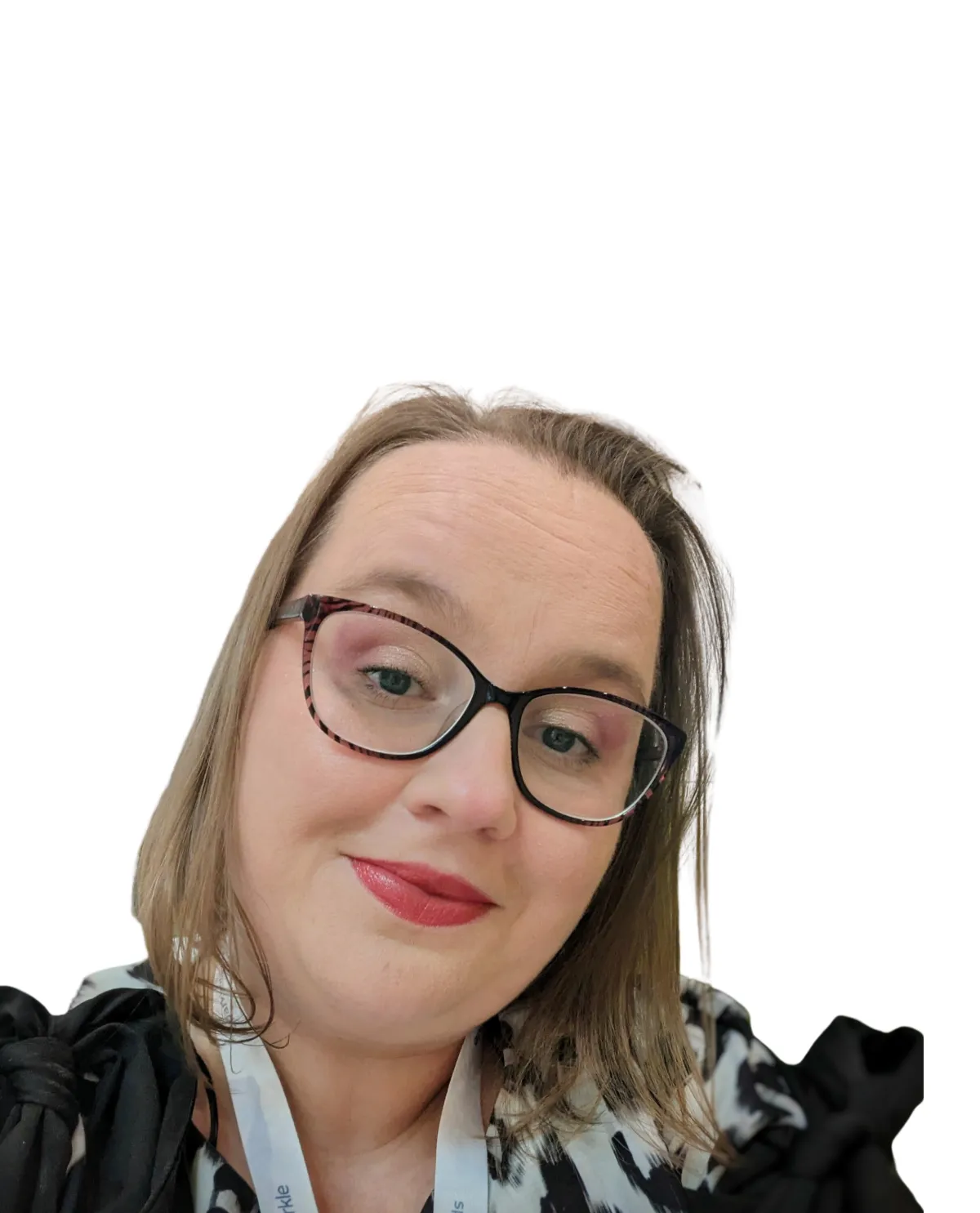
Rebecca Armstrong
MSc Psychotherapy, Cert Couples Therapy, BACP, ICF (PCC)
My work is rooted in compassion, inclusion and respect for each person’s story.
For more than twenty years, my work has involved understanding people and relationships — initially through leadership, HR, equality and coaching, and now through psychotherapy and relationship therapy.
My own life has also taught me that things do not always follow the path we imagined. Living with Multiple Sclerosis and ADHD, alongside my own difficult path to parenthood, has shaped how I understand identity, difference, uncertainty, belonging and adapting when life changes. I never assume my experience is the same as someone else’s, but it informs the compassion and openness I bring to my work.
The theme across my career has been relationships and therefore today, my practice has a particular focus on couples, relationships and the relationship we have with ourselves.
I work with couples navigating communication and conflict, emotional disconnection, infidelity, addiction and recovery, fertility and loss, sex and intimacy, parenting and co-parenting, neurodivergence, LGBTQ+ relationships, separation and life transitions.
I also work individually with adults exploring relationships, identity, sexuality, neurodivergence, grief, disability and chronic illness, fertility and parenthood, midlife changes, belonging and their relationship with themselves.
My approach is integrative, relational and client-led. With couples, I am curious about what happens between you; the patterns you become caught in, what sits beneath them and how you might begin to relate differently. With individuals, we can explore the experiences and patterns that shape how you understand yourself and connect with others.
My work also increasingly integrates a psychosexual perspective, recognising that emotional connection, our bodies, sexuality, sex and intimacy are often deeply intertwined.
I hold a Master’s degree in Psychotherapy and am a BACP registered therapist. I hold additional qualifications in couples therapy, as well as an ICF Professional Certified Coach (PCC).
At the heart of my work is a simple belief: relationships matter. The relationships we have with others, and with ourselves, shape so much of how we experience the world. Therapy can help us understand them with greater compassion, curiosity and choice.
You might come to therapy because...
People rarely arrive in therapy with a neat label for what is happening. You may simply know that something in your relationship, your life or the way you feel about yourself needs attention.
- Communication difficulties, recurring conflict or feeling disconnected
· Infidelity, betrayal or rebuilding trust
· Sex, intimacy, desire or changes in your sexual relationship
· Fertility challenges, pregnancy loss or the impact of trying to conceive
· ADHD, autism or understanding a new or later-life diagnosis
· Addiction, recovery or the impact of addiction on a relationship
· Disability, chronic illness or changes in health
· LGBTQ+ relationships, sexuality, gender or exploring your identity
· Parenthood, co-parenting or blended-family relationships
· Separation, divorce or uncertainty about whether to stay together
· Grief, loss and significant life changes
· Midlife changes and questions about identity, relationships or what you want next
· Boundaries, people-pleasing, self-worth or repeating relationship patterns
· Feeling lonely, lost or disconnected — including when you are in a relationship
Or you may not be able to name it yet.
Sometimes therapy begins simply with a sense that something isn't working in the way you want it to anymore. We can start there.
Why online therapy?
Relationship therapy that fits around real life
Finding time for therapy can be difficult, particularly when two diaries, work, family life and caring responsibilities need to align.
My practice is primarily online, allowing couples and individuals to access specialist relationship therapy from the privacy of their own space, without the additional time and travel involved in attending a clinic.
For couples, online sessions can also offer flexibility when partners are working in different locations or are not currently living together.
II work online with clients across the UK and, where appropriate, beyond. In-person relationship therapy clinics available in the North East.
Frequently Asked Questions
Our Frequently Asked Questions section is designed to provide clear answers to common queries about our services, appointments, treatments, and policies.
How do I book an appointment?
Appointments can be booked by emailing [email protected]. We can arrange an initial conversation and send you our registration documents when you are ready to begin.
Do you offer online consultations?
Yes, our practice is primarily online as I have learned that this works best for couples and individuals.
What is Psychotherapy and how can it help me?
Psychotherapy is a collaborative process where you work with a trained therapist to better understand your thoughts, emotions, and behaviors. It can help with concerns such as anxiety, depression, relationship issues, stress, trauma, and personal growth. Many clients also use therapy to gain clarity, improve coping skills, and feel more connected to themselves and others.
Do you provide emergency care?
No, we do not provide crisis support. If you are in distress please dial 999 or contact The Samaritans on 116 123
How do I know if therapy is right for me?
You don’t need to be in crisis to benefit from therapy. If you’re feeling overwhelmed, stuck, emotionally drained, or simply curious about understanding yourself better, therapy can be helpful. An initial session is a low-pressure way to explore whether it feels like a good fit.
What happens in the first session?
The first session focuses on getting to know you and understanding what brings you to therapy. We’ll discuss your goals, background, and any questions or concerns you may have. It’s also an opportunity for you to see if you feel comfortable with the therapist and the therapeutic approach.
How long does therapy last?
The length of therapy varies depending on your goals and needs. Some people come for short-term, focused support, while others choose longer-term therapy for deeper exploration. We’ll regularly check in to ensure therapy is meeting your needs.
Each session is 50 minutes long, for couples therapy we offer both 50 and 90 minute sessions.
Is what I say in therapy confidential?
Yes. Confidentiality is a core part of psychotherapy. Everything you share is private, with a few legal exceptions (such as risk of harm to yourself or others, or abuse of a minor or vulnerable person). These limits will be clearly explained during your first session.
Confidentiality also applies when working with children, we will do regular parent reviews to discuss progress.
What if we dont know if we want to stay together?
You do not need to arrive with that decision made. Therapy can provide a space to understand what has happened, what each of you wants and what your options may be without assuming in advance that the goal must be either reconciliation or separation.
Can I come on my own about a relationship?
Yes. Individual therapy can be particularly helpful if your partner does not want to attend, if you are navigating dating or separation, or if you want to understand your own relationship patterns more deeply.
Do we have to join a couples session from the same place?
Not always. Where it is clinically appropriate and you each have a private, reliable space, online work may allow partners to join from different locations. We can discuss what is most suitable when you enquire.
Do you work with neurodivergent individuals and couples?
Yes. I work with couples where one or both partners are neurodivergent, and people making sense of a new or later-life diagnosis.
Can we walk about sex in couples therapy?
Yes. Sex, desire and intimacy can be important parts of relationship therapy. I aim to make these conversations safe, respectful and non-judgemental, and my relationship work includes a developing psychosexual specialism
Do you work with infidelity?
Yes. I work with couples navigating affairs and other breaches of trust. Therapy can support you to understand the impact of what has happened, have difficult conversations more safely and consider what moving forward might mean.
Do you work with LGBTQ+ clients and couples?
Yes. I welcome LGBTQ+ individuals and couples. Therapy can include sexuality, gender and identity where these are important to you. I work affirmatively and without assumptions about gender roles, relationship structure, sex or family.
Do you work with addiction?
Yes. I work with addiction in both individual and relationship therapy. This might include your own substance use or behavioural addiction, recovery, relapse, the impact of a partner's addiction, trust and secrecy, boundaries, or rebuilding a relationship during recovery.
Whether couples work is appropriate will depend on the current situation and our ability to work safely and meaningfully together. This generally means that you are actively in addiction therapy alongside couples work.
Do you work with domestic abuse and domestic violence?
I can work therapeutically with the historic impact of domestic abuse or domestic violence, including how past experiences affect safety, trust, intimacy, identity and later relationships. I do not offer couples therapy where abuse, violence, coercive control or fear is currently active. In those circumstances, safety and specialist domestic-abuse support need to come first, and I would discuss appropriate next steps or signposting with you.
Do you offer low cost sessions?
Yes, as part of our ethical commitment to supporting those who need it we offer a limited number of low cost sessions. Please contact us if you would like to discuss this.
Contact us
If you would like to discuss working with us please complete the form and we will be in touch


© 2026 Rebecca Armstrong. All rights reserved.